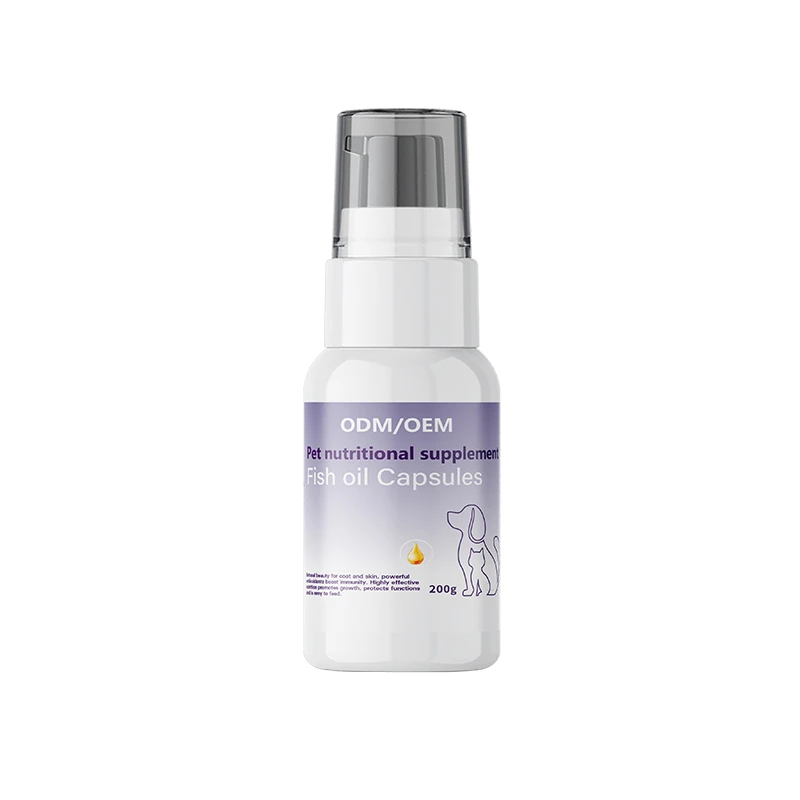
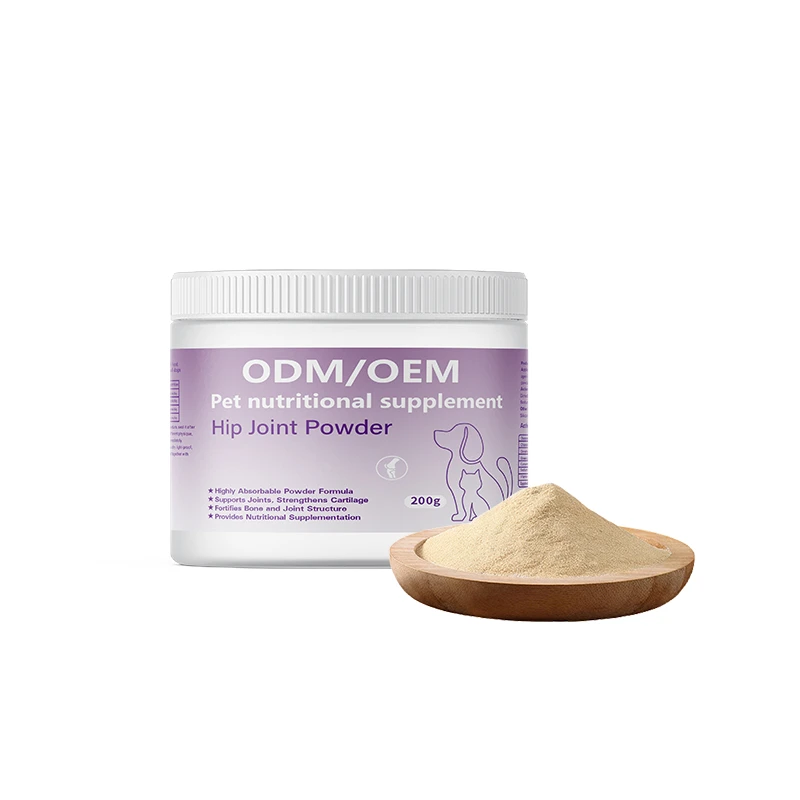
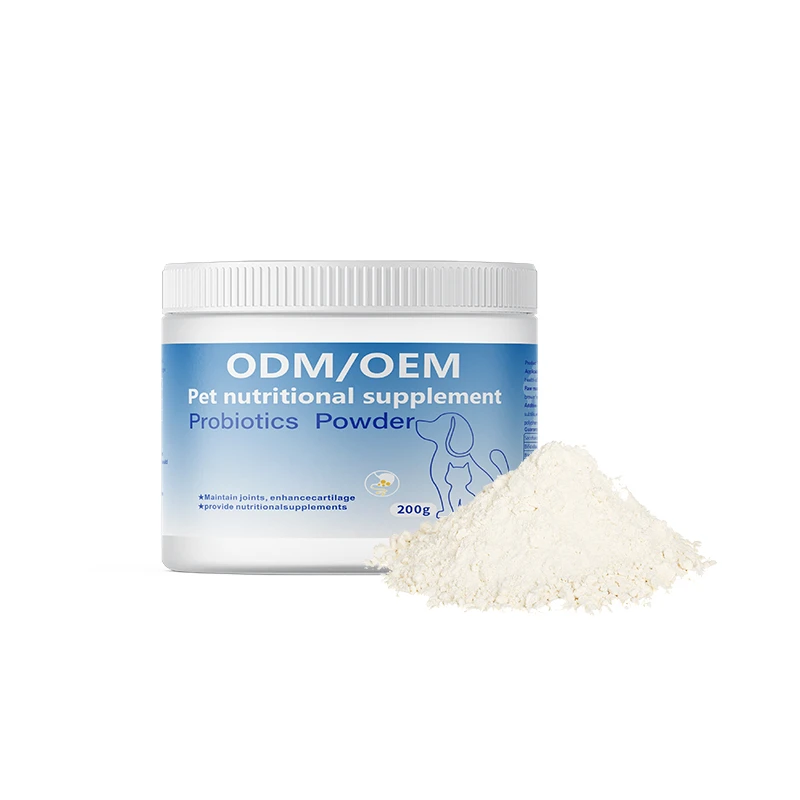
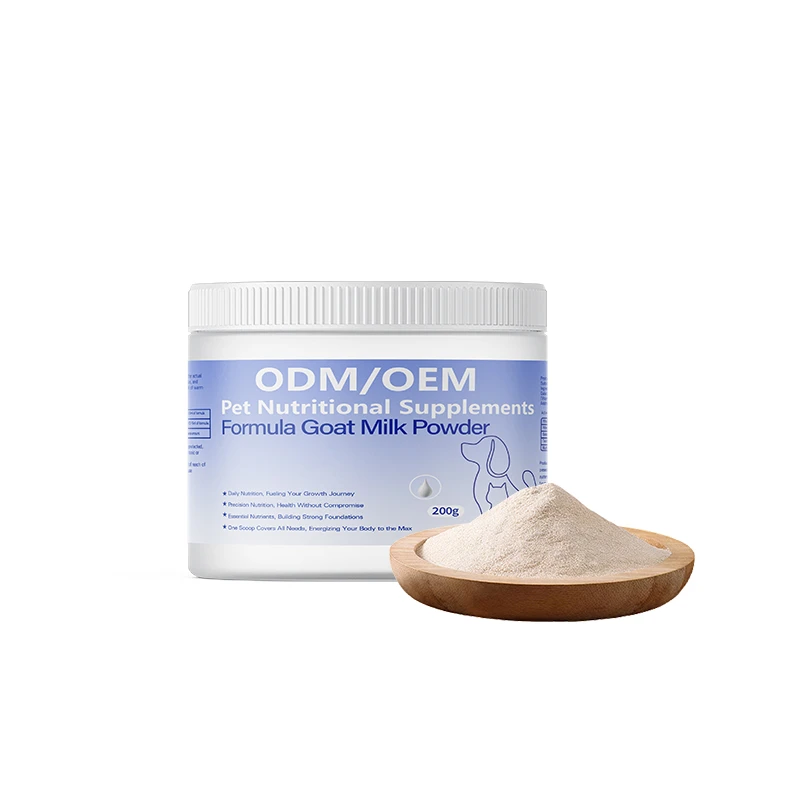
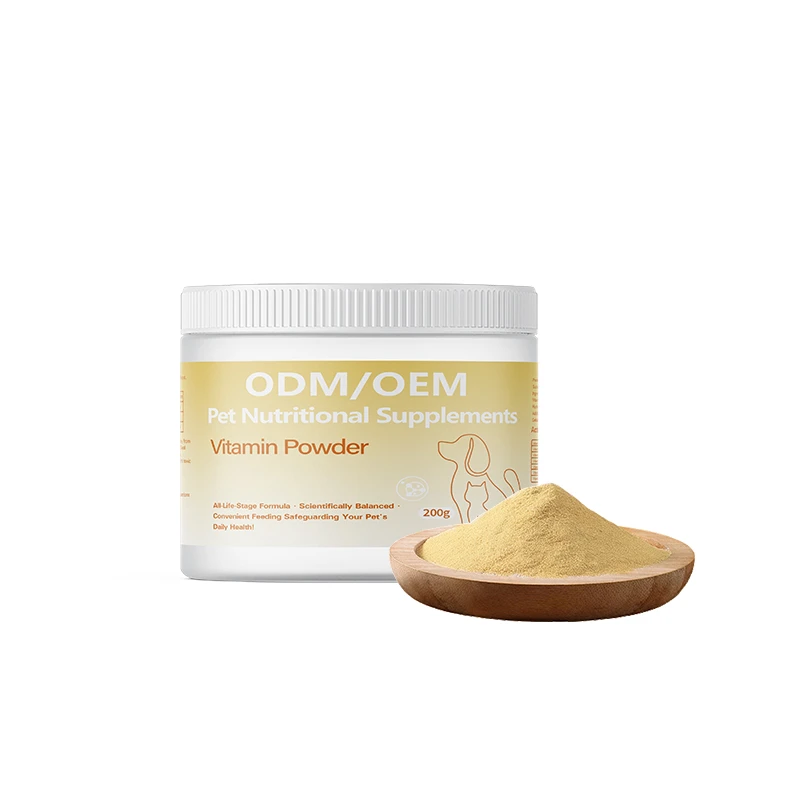
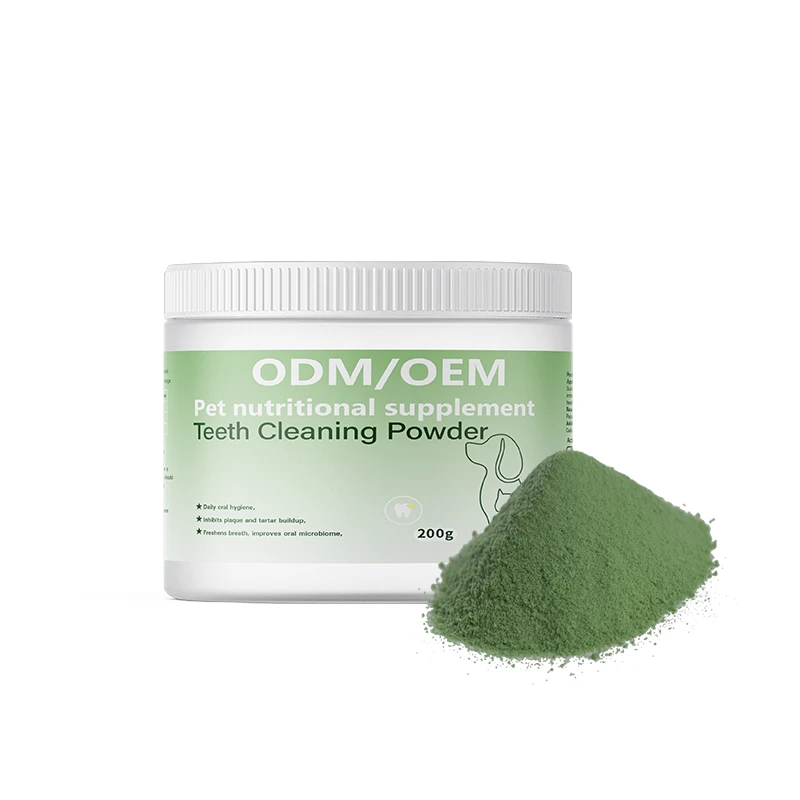
Pets: Cherished Family Members | High-Quality Pet Supplements
Pets Are Family, Protection Starts With Care
Family-Like Companionship Deserves Heartfelt Care
Pets have long transcended the definition of "animals" and become the closest family members around us. With their unconditional love and pure loyalty, they heal our fatigue, warm our daily lives, and are the most precious companions in our plain life. As "family members" of pets, protecting their health is our most solemn responsibility, and a high-quality pet supplement is the key force to guard their physical and mental health, escorting their well-being.

Core Advantages of the Supplement, More Professional Protection
Our pet supplement is specially developed for pet health, mild and non-irritating, suitable for pets of all ages.
Adopting small-molecule extraction technology, it is easily absorbed by pets' intestines and stomach, and can accurately make up for the nutritional gaps in daily diet. It not only helps with gastrointestinal digestion and improves pet pickiness, but also enhances pets' immunity and brightens their fur luster, comprehensively caring for pets' physical and mental health and keeping them in a good state from the inside out.
Real Companion Testimony, A Trustworthy Choice
My little cat dollar is a loyal beneficiary of this supplement. After taking this supplement for a long time, it not only has a better appetite, but also remains energetic with smooth and shiny fur, and has never been listless again. For us, pets are not just companions, but family members connected by blood. This high-quality pet supplement enables the two-way companionship between us and our pets to be longer and more reassuring, guarding every precious companionship with professionalism.